ಮರಣೋತ್ತರ ಹಾಗೂ ಜೀವಂತ ಅಂಗಾಂಗ ದಾನದ ಬಗ್ಗೆ ಇರುವ ತಪ್ಪು ಕಲ್ಪನೆಗಳನ್ನು ದೂರ ಮಾಡಬೇಕು; ಯಕೃತ್ತಿನ ಆರೋಗ್ಯದ ಬಗ್ಗೆ ಮುನ್ನೆಚ್ಚರಿಕೆ ಅಗತ್ಯ: ಡಾ. ಪ್ರದೀಪ್ ಕೃಷ್ಣ, ಅಪೋಲೋ ಆಸ್ಪತ್ರೆ, ಬೆಂಗಳೂರು
ಶಿವಮೊಗ್ಗ, ಆ. 23: ಭಾರತದಲ್ಲಿ ಅಂಗಾಂಗ ಕಸಿಗಾಗಿ ಕಾಯುತ್ತಿರುವ ರೋಗಿಗಳ ಸಂಖ್ಯೆ ದಿನದಿಂದ ದಿನಕ್ಕೆ ಹೆಚ್ಚುತ್ತಿದ್ದು, ಲಭ್ಯವಾಗುತ್ತಿರುವ ಅಂಗಾಂಗಗಳ ಸಂಖ್ಯೆ ಅಗತ್ಯಕ್ಕೆ ತಕ್ಕಂತೆ ಇಲ್ಲ. ಅದರಲ್ಲೂ ಯಕೃತ್ತಿನ ವೈಫಲ್ಯ ಸೇರಿದಂತೆ ಗಂಭೀರ ಅಂಗಾಂಗ ಸಮಸ್ಯೆಗಳಿಂದ ಬಳಲುತ್ತಿರುವ ಅನೇಕ ರೋಗಿಗಳು ಸೂಕ್ತ ಸಮಯದಲ್ಲಿ ಅಂಗಾಂಗ ದೊರೆಯದೆ ಸಂಕಷ್ಟಕ್ಕೆ ಸಿಲುಕುತ್ತಿದ್ದಾರೆ. ಹೀಗಾಗಿ ಸಮಾಜದ ಪ್ರತಿಯೊಬ್ಬರೂ ಅಂಗಾಂಗ ದಾನದ ಮಹತ್ವವನ್ನು ಅರಿತುಕೊಂಡು ಜಾಗೃತಿ ಮೂಡಿಸುವ ಕಾರ್ಯದಲ್ಲಿ ಕೈಜೋಡಿಸಬೇಕು ಎಂದು ಬೆಂಗಳೂರಿನ ಅಪೋಲೋ ಆಸ್ಪತ್ರೆಯ ಡಾ. ಪ್ರದೀಪ್ ಕೃಷ್ಣ ಹೇಳಿದರು.
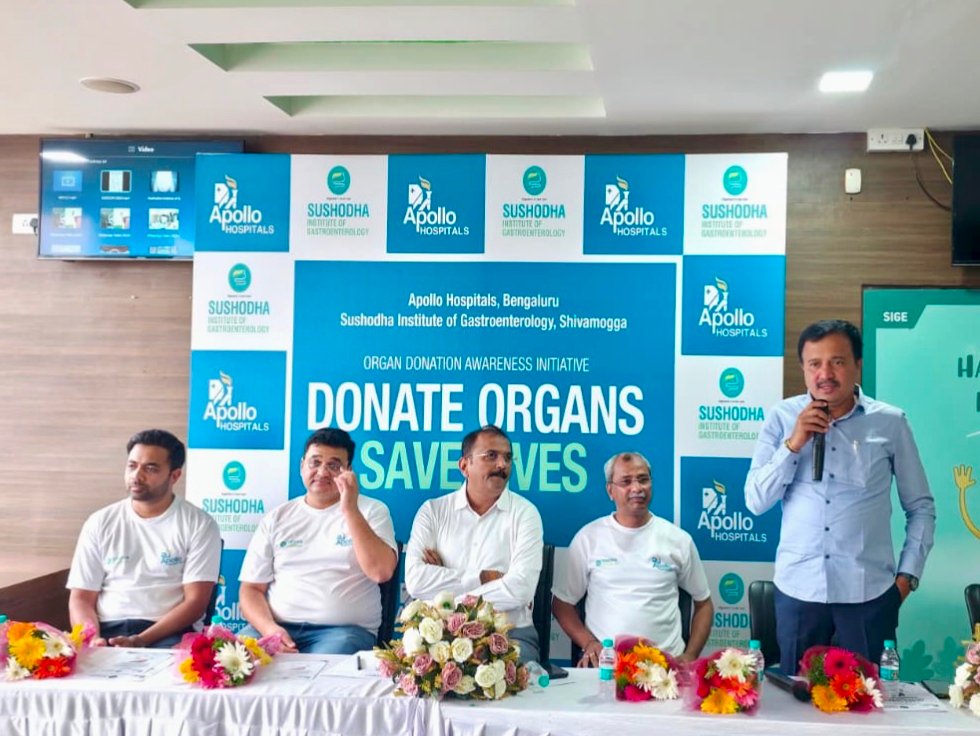
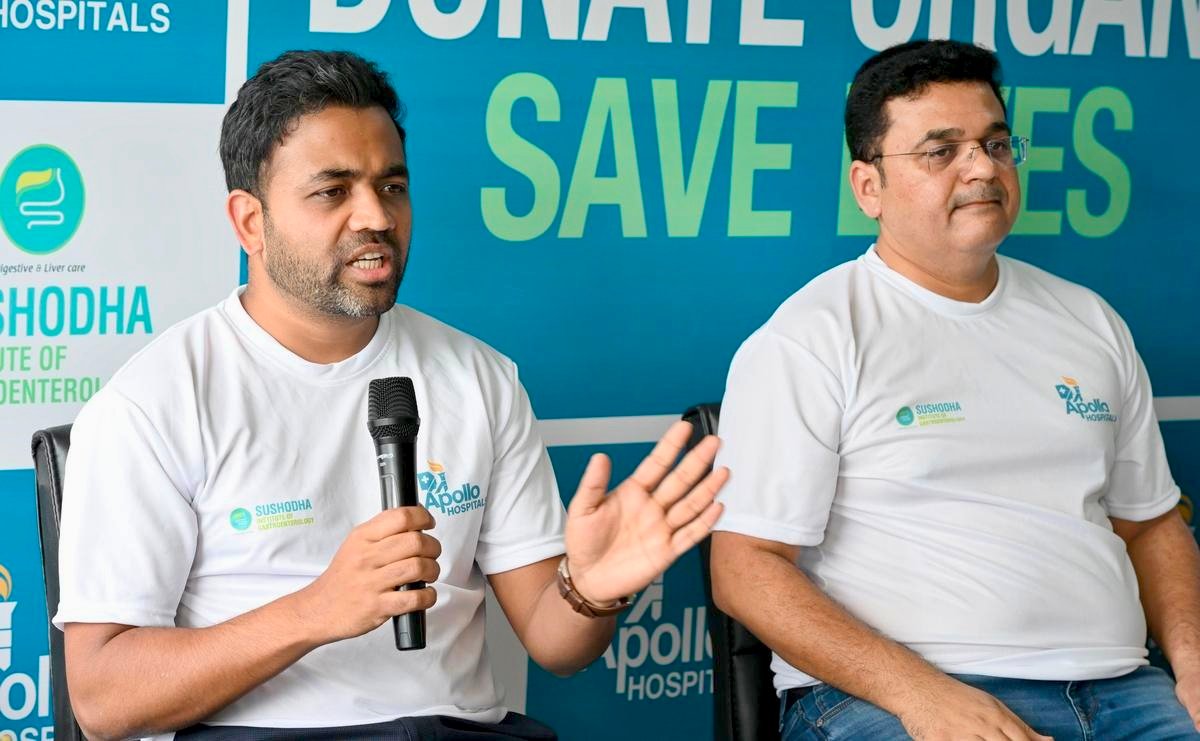
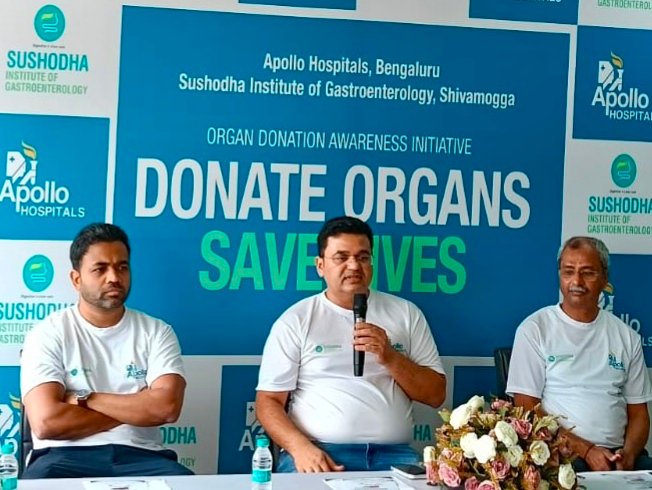
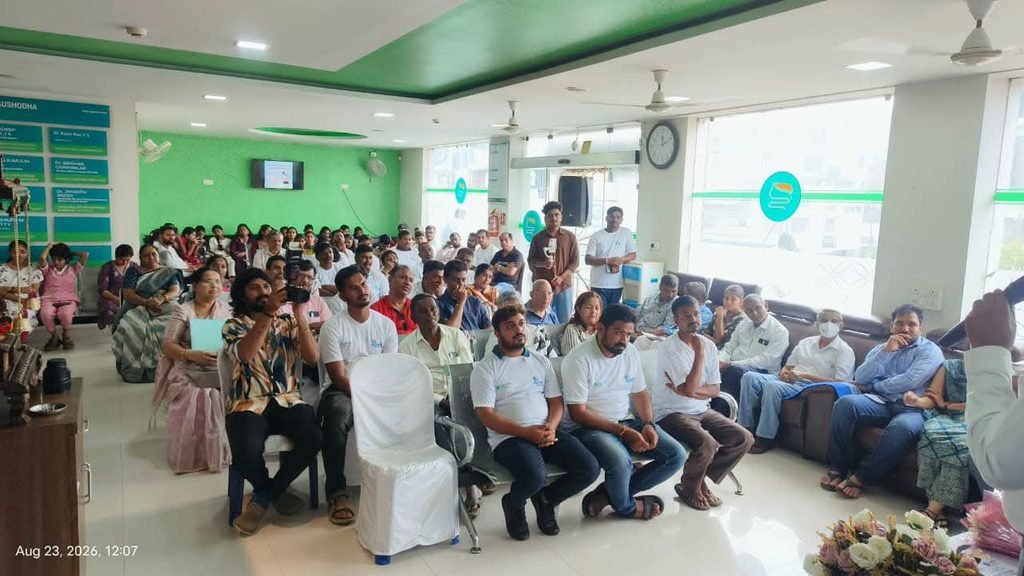
ಬೆಂಗಳೂರಿನ ಅಪೋಲೋ ಹಾಸ್ಪಿಟಲ್ಸ್ ಹಾಗೂ ಶಿವಮೊಗ್ಗದ ಸುಶೋಧ ಇನ್ಸ್ಟಿಟ್ಯೂಟ್ ಆಫ್ ಗ್ಯಾಸ್ಟ್ರೋಎಂಟರಾಲಜಿ ಜಂಟಿಯಾಗಿ ಆಯೋಜಿಸಿದ್ದ ಅಂಗಾಂಗ ದಾನ ಜಾಗೃತಿ ಅಭಿಯಾನದ ಪತ್ರಿಕಾಗೋಷ್ಠಿಯಲ್ಲಿ ಅವರು ಮಾತನಾಡಿದರು.
ಅಂಗಾಂಗ ದಾನಕ್ಕೆ ಸಂಬಂಧಿಸಿದಂತೆ ಸಮಾಜದಲ್ಲಿ ಇನ್ನೂ ಸಾಕಷ್ಟು ಆತಂಕ, ಭಯ ಹಾಗೂ ತಪ್ಪು ಕಲ್ಪನೆಗಳಿವೆ. ಇವುಗಳನ್ನು ಹೋಗಲಾಡಿಸಿ, ವೈಜ್ಞಾನಿಕ ಮಾಹಿತಿಯನ್ನು ಜನರಿಗೆ ತಲುಪಿಸುವ ಅಗತ್ಯವಿದೆ. ಒಬ್ಬ ವ್ಯಕ್ತಿಯ ಅಂಗಾಂಗ ದಾನವು ಹಲವು ರೋಗಿಗಳ ಜೀವನಕ್ಕೆ ಹೊಸ ಆಶಾಕಿರಣವಾಗಬಹುದು. ಆದ್ದರಿಂದ ಆಸ್ಪತ್ರೆಗಳು, ವೈದ್ಯರು ಹಾಗೂ ಆರೋಗ್ಯ ಕ್ಷೇತ್ರದ ತಜ್ಞರು ಮಾತ್ರವಲ್ಲದೆ, ಕುಟುಂಬಗಳು ಮತ್ತು ಸಮುದಾಯಗಳ ಮಟ್ಟದಲ್ಲೂ ಅಂಗಾಂಗ ದಾನದ ಕುರಿತು ಜಾಗೃತಿ ಮೂಡಬೇಕು ಎಂದು ಹೇಳಿದರು.
ಬ್ರೈನ್ ಡೆತ್ ದೃಢಪಟ್ಟ ನಂತರವೇ ಪ್ರಮುಖ ಅಂಗಾಂಗಗಳ ದಾನ
ಮರಣೋತ್ತರ ಅಂಗಾಂಗ ದಾನದ ಪ್ರಕ್ರಿಯೆಯ ಕುರಿತು ವಿವರಿಸಿದ ಅವರು, ಪ್ರಮುಖ ಅಂಗಾಂಗಗಳನ್ನು ದಾನ ಮಾಡಲು ಸಾಮಾನ್ಯವಾಗಿ ಬ್ರೈನ್ ಡೆತ್ ಅಥವಾ ಮೆದುಳು ಸಂಪೂರ್ಣವಾಗಿ ನಿಷ್ಕ್ರಿಯಗೊಂಡಿರುವ ಸ್ಥಿತಿಯನ್ನು ವೈದ್ಯಕೀಯ ತಜ್ಞರು ದೃಢೀಕರಿಸಬೇಕು ಎಂದು ತಿಳಿಸಿದರು.
ಮೆದುಳಿನ ಕಾರ್ಯ ಸಂಪೂರ್ಣವಾಗಿ ನಿಂತಿರುವುದನ್ನು ಸಂಬಂಧಪಟ್ಟ ನ್ಯೂರೋ ಸರ್ಜನ್ಗಳು ಹಾಗೂ ತಜ್ಞ ವೈದ್ಯರು ಅಗತ್ಯ ಪರೀಕ್ಷೆಗಳ ಮೂಲಕ ದೃಢಪಡಿಸುತ್ತಾರೆ. ನಂತರ ಕುಟುಂಬದವರಿಗೆ ಪರಿಸ್ಥಿತಿಯನ್ನು ವಿವರಿಸಿ, ಅಂಗಾಂಗ ದಾನಕ್ಕೆ ಅವರ ಒಪ್ಪಿಗೆ ಪಡೆದ ಬಳಿಕ ಮುಂದಿನ ಪ್ರಕ್ರಿಯೆ ನಡೆಸಲಾಗುತ್ತದೆ ಎಂದರು.
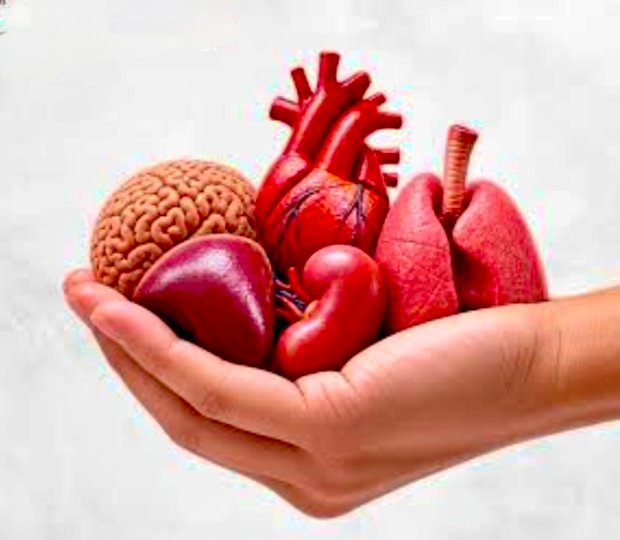
ಬ್ರೈನ್ ಡೆತ್ ಸ್ಥಿತಿಯಲ್ಲಿ ಮೆದುಳಿನ ಕಾರ್ಯ ಸಂಪೂರ್ಣವಾಗಿ ಸ್ಥಗಿತಗೊಂಡಿದ್ದರೂ, ವೈದ್ಯಕೀಯ ನೆರವಿನಿಂದ ಹೃದಯ ಬಡಿತ ಸೇರಿದಂತೆ ಕೆಲವು ದೈಹಿಕ ಕಾರ್ಯಗಳು ಮುಂದುವರಿದಿರಬಹುದು. ಇದೇ ಅವಧಿಯಲ್ಲಿ ಹೃದಯ, ಯಕೃತ್ತು, ಶ್ವಾಸಕೋಶ, ಮೂತ್ರಪಿಂಡ ಸೇರಿದಂತೆ ವಿವಿಧ ಅಂಗಾಂಗಗಳನ್ನು ಕಸಿ ಪ್ರಕ್ರಿಯೆಗಾಗಿ ಸಂರಕ್ಷಿಸಿ ಸಾಗಿಸಲಾಗುತ್ತದೆ ಎಂದು ಡಾ. ಪ್ರದೀಪ್ ಕೃಷ್ಣ ವಿವರಿಸಿದರು.
ಪ್ರತಿಯೊಂದು ಅಂಗಾಂಗಕ್ಕೂ ನಿರ್ದಿಷ್ಟ ಸಮಯದ ಮಿತಿ
ಅಂಗಾಂಗ ದಾನದಲ್ಲಿ ಸಮಯ ಅತ್ಯಂತ ಮಹತ್ವದ್ದಾಗಿದೆ. ದಾನಿಯ ದೇಹದಿಂದ ಅಂಗಾಂಗವನ್ನು ತೆಗೆದ ಬಳಿಕ ಸಾಧ್ಯವಾದಷ್ಟು ಕಡಿಮೆ ಅವಧಿಯಲ್ಲಿ ಅದನ್ನು ಅಗತ್ಯವಿರುವ ರೋಗಿಯ ದೇಹದಲ್ಲಿ ಅಳವಡಿಸಬೇಕು. ಸಮಯ ಕಡಿಮೆಯಾದಷ್ಟೂ ಕಸಿ ಚಿಕಿತ್ಸೆಯ ಫಲಿತಾಂಶ ಉತ್ತಮವಾಗಿರುವ ಸಾಧ್ಯತೆ ಹೆಚ್ಚಿರುತ್ತದೆ ಎಂದು ಡಾ. ಪ್ರದೀಪ್ ಕೃಷ್ಣ ಹೇಳಿದರು.
ಹೃದಯವನ್ನು ದಾನಿಯ ದೇಹದಿಂದ ತೆಗೆದ ಬಳಿಕ ಸಾಮಾನ್ಯವಾಗಿ ಸುಮಾರು 6 ಗಂಟೆಗಳೊಳಗೆ ಕಸಿ ಮಾಡಬೇಕಾಗುತ್ತದೆ. ಶ್ವಾಸಕೋಶಗಳಿಗೆ ಸುಮಾರು 8ರಿಂದ 10 ಗಂಟೆಗಳ ಅವಧಿ ಮಹತ್ವದ್ದಾಗಿದೆ. ಯಕೃತ್ತನ್ನು ಸಾಮಾನ್ಯವಾಗಿ 8ರಿಂದ 12 ಗಂಟೆಗಳೊಳಗೆ ಕಸಿ ಮಾಡುವ ಪ್ರಯತ್ನ ಮಾಡಲಾಗುತ್ತದೆ ಎಂದರು.
ಮೂತ್ರಪಿಂಡಗಳನ್ನು ಇನ್ನಷ್ಟು ದೀರ್ಘ ಅವಧಿಯವರೆಗೆ ಸಂರಕ್ಷಿಸಬಹುದಾಗಿದ್ದು, ಸುಮಾರು 18 ಗಂಟೆಗಳವರೆಗೆ ಬಳಸುವ ಸಾಧ್ಯತೆ ಇದೆ. ಆದಾಗ್ಯೂ, ಅಂಗಾಂಗವನ್ನು ಹೆಚ್ಚು ಹೊತ್ತು ಕಾಯಿಸುವ ಬದಲು ಸಾಧ್ಯವಾದಷ್ಟು ಶೀಘ್ರವಾಗಿ ರೋಗಿಯ ದೇಹದಲ್ಲಿ ಅಳವಡಿಸುವುದು ಉತ್ತಮ ಫಲಿತಾಂಶಕ್ಕೆ ಸಹಕಾರಿಯಾಗುತ್ತದೆ ಎಂದು ತಿಳಿಸಿದರು.
ಅಂಗಾಂಗವನ್ನು ಎಷ್ಟು ಕಡಿಮೆ ಸಮಯದಲ್ಲಿ ಸೂಕ್ತ ರೋಗಿಯ ದೇಹಕ್ಕೆ ತಲುಪಿಸಿ ಅಳವಡಿಸಲಾಗುತ್ತದೆಯೋ, ಅಷ್ಟು ಉತ್ತಮವಾಗಿ ಅದು ಕಾರ್ಯನಿರ್ವಹಿಸುವ ಸಾಧ್ಯತೆ ಇರುತ್ತದೆ. ಹೀಗಾಗಿ ಅಂಗಾಂಗ ದಾನದಲ್ಲಿ ವೈದ್ಯಕೀಯ ತಂಡಗಳ ಸಮನ್ವಯ, ಸಾರಿಗೆ ವ್ಯವಸ್ಥೆ ಹಾಗೂ ಸಮಯ ನಿರ್ವಹಣೆ ಅತ್ಯಂತ ಪ್ರಮುಖವಾಗಿವೆ ಎಂದರು.
ಸಾವಿನ ನಂತರವೂ ಕೆಲವು ಅಂಗಾಂಶಗಳ ದಾನ ಸಾಧ್ಯ: ಡಾ. ಪ್ರದೀಪ್ ಕೃಷ್ಣ
ಸಂಪೂರ್ಣ ಮರಣದ ನಂತರವೂ ಕೆಲವು ಅಂಗಾಂಶಗಳು ಮತ್ತು ದೇಹದ ಭಾಗಗಳನ್ನು ದಾನ ಮಾಡಬಹುದು ಎಂದು ಅವರು ವಿವರಿಸಿದರು. ಕಣ್ಣು, ಅದರಲ್ಲೂ ಮುಖ್ಯವಾಗಿ ಕಾರ್ನಿಯಾ, ಚರ್ಮ ಹಾಗೂ ಹೃದಯದ ಕವಾಟಗಳನ್ನು ಸಾವಿನ ನಂತರವೂ ಸಂಗ್ರಹಿಸಿ ಅಗತ್ಯವಿರುವ ರೋಗಿಗಳಿಗೆ ಬಳಸಬಹುದಾಗಿದೆ ಎಂದರು.
ಆದರೆ ಹೃದಯ, ಯಕೃತ್ತು, ಶ್ವಾಸಕೋಶ ಹಾಗೂ ಮೂತ್ರಪಿಂಡಗಳಂತಹ ಪ್ರಮುಖ ಅಂಗಾಂಗಗಳನ್ನು ಸಾಮಾನ್ಯವಾಗಿ ಬ್ರೈನ್ ಡೆತ್ ದೃಢಪಟ್ಟ ಸ್ಥಿತಿಯಲ್ಲಿ ಮಾತ್ರ ದಾನ ಮಾಡಲಾಗುತ್ತದೆ. ಈ ವ್ಯತ್ಯಾಸದ ಕುರಿತು ಸಾರ್ವಜನಿಕರಲ್ಲಿ ಸರಿಯಾದ ಅರಿವು ಮೂಡಿಸುವ ಅಗತ್ಯವಿದೆ ಎಂದು ಹೇಳಿದರು.
ಅಂಗಾಂಗ ದಾನಕ್ಕೆ ವಯಸ್ಸಿಗಿಂತ ಆರೋಗ್ಯ ಮುಖ್ಯ
ಅಂಗಾಂಗ ದಾನದಲ್ಲಿ ವಯಸ್ಸು ಮಾತ್ರ ನಿರ್ಣಾಯಕ ಅಂಶವಲ್ಲ. ವಿಶೇಷವಾಗಿ ಬ್ರೈನ್ ಡೆಡ್ ದಾನಿಗಳ ವಿಷಯದಲ್ಲಿ ಕೇವಲ ವಯಸ್ಸಿನ ಆಧಾರದ ಮೇಲೆ ಅಂಗಾಂಗವನ್ನು ತಿರಸ್ಕರಿಸುವುದಿಲ್ಲ. ದಾನಿಯ ಅಂಗಾಂಗದ ಆರೋಗ್ಯ, ಅದರ ಕಾರ್ಯಕ್ಷಮತೆ ಹಾಗೂ ಗುಣಮಟ್ಟವನ್ನು ವೈದ್ಯಕೀಯ ಪರೀಕ್ಷೆಗಳ ಮೂಲಕ ಪರಿಶೀಲಿಸಿದ ನಂತರವೇ ಅಂತಿಮ ನಿರ್ಧಾರ ಕೈಗೊಳ್ಳಲಾಗುತ್ತದೆ ಎಂದು ಡಾ. ಪ್ರದೀಪ್ ಕೃಷ್ಣ ತಿಳಿಸಿದರು.
ಕೆಲವು ಸಂದರ್ಭಗಳಲ್ಲಿ 80, 85 ಅಥವಾ 90 ವರ್ಷ ವಯಸ್ಸಿನ ವ್ಯಕ್ತಿಯ ಯಕೃತ್ತೂ ಆರೋಗ್ಯಕರ ಸ್ಥಿತಿಯಲ್ಲಿದ್ದರೆ ಕಸಿಗೆ ಯೋಗ್ಯವಾಗಬಹುದು. ಮತ್ತೊಂದೆಡೆ, 60 ಅಥವಾ 65 ವರ್ಷ ವಯಸ್ಸಿನ ವ್ಯಕ್ತಿಯ ಯಕೃತ್ತಿನಲ್ಲಿ ತೀವ್ರ ಕೊಬ್ಬಿನಾಂಶ, ಫೈಬ್ರೋಸಿಸ್ ಅಥವಾ ಇತರ ಸಮಸ್ಯೆಗಳಿದ್ದರೆ ಅದನ್ನು ಬಳಸಲು ಸಾಧ್ಯವಾಗದ ಪರಿಸ್ಥಿತಿ ಉಂಟಾಗಬಹುದು ಎಂದರು.
ಹೀಗಾಗಿ ದಾನಿಯ ವಯಸ್ಸಿಗಿಂತಲೂ ಅವರ ಅಂಗಾಂಗದ ನೈಜ ಆರೋಗ್ಯ ಸ್ಥಿತಿಯೇ ಮುಖ್ಯವಾಗಿದೆ. ವೈದ್ಯರು ಅಗತ್ಯವಿದ್ದರೆ ಬಯಾಪ್ಸಿ ಸೇರಿದಂತೆ ವಿವಿಧ ಪರೀಕ್ಷೆಗಳನ್ನು ನಡೆಸಿ ಯಕೃತ್ತಿನ ಗುಣಮಟ್ಟ, ಕಾರ್ಯಕ್ಷಮತೆ ಹಾಗೂ ಕಸಿಗೆ ಹೊಂದಾಣಿಕೆಯನ್ನು ಪರಿಶೀಲಿಸುತ್ತಾರೆ ಎಂದು ಹೇಳಿದರು.
ಅಪಘಾತದಲ್ಲಿ ಮೃತಪಟ್ಟ ವ್ಯಕ್ತಿಯ ಅಂಗಾಂಗಗಳಿಗೆ ತೀವ್ರ ಗಾಯವಾಗಿದ್ದರೆ ಅವುಗಳನ್ನು ಕಸಿಗೆ ಬಳಸಲು ಸಾಧ್ಯವಾಗುವುದಿಲ್ಲ. ಅದೇ ರೀತಿ ಹೃದಯಕ್ಕೆ ಸಂಬಂಧಿಸಿದ ಗಂಭೀರ ಕಾಯಿಲೆ ಹೊಂದಿದ್ದರೆ ಹೃದಯ ದಾನಕ್ಕೆ ಅಡ್ಡಿಯಾಗಬಹುದು. ಪ್ರತಿಯೊಂದು ಅಂಗಾಂಗವನ್ನೂ ಪ್ರತ್ಯೇಕವಾಗಿ ವೈಜ್ಞಾನಿಕ ಮಾನದಂಡಗಳ ಆಧಾರದಲ್ಲಿ ಪರಿಶೀಲಿಸಿ ಸೂಕ್ತವೆಂದು ಕಂಡುಬಂದರೆ ಮಾತ್ರ ಕಸಿಗೆ ಬಳಸಲಾಗುತ್ತದೆ ಎಂದರು.
ಜೀವಂತ ದಾನಿಗಳಿಗೆ ನಿರ್ದಿಷ್ಟ ಮಾನದಂಡಗಳು
ಬ್ರೈನ್ ಡೆಡ್ ದಾನಿಗಳು ಮತ್ತು ಜೀವಂತ ದಾನಿಗಳ ನಿಯಮಗಳು ವಿಭಿನ್ನವಾಗಿವೆ. ಜೀವಂತ ದಾನಿಯ ವಿಷಯದಲ್ಲಿ ವಯಸ್ಸು, ಆರೋಗ್ಯ ಹಾಗೂ ಇತರ ವೈದ್ಯಕೀಯ ಮಾನದಂಡಗಳನ್ನು ಕಟ್ಟುನಿಟ್ಟಾಗಿ ಪರಿಶೀಲಿಸಲಾಗುತ್ತದೆ ಎಂದು ಅವರು ಹೇಳಿದರು.
ಜೀವಂತ ದಾನಿಯಾಗಿ ಅಂಗದಾನ ಮಾಡುವವರು ಸಾಮಾನ್ಯವಾಗಿ 18 ವರ್ಷಕ್ಕಿಂತ ಮೇಲ್ಪಟ್ಟವರಾಗಿರಬೇಕು. ಅವರ ಆರೋಗ್ಯ ಸ್ಥಿತಿ, ಅಂಗಾಂಗದ ಕಾರ್ಯಕ್ಷಮತೆ ಹಾಗೂ ವೈದ್ಯಕೀಯ ಹೊಂದಾಣಿಕೆಯನ್ನು ಪರಿಶೀಲಿಸಿದ ನಂತರವೇ ದಾನಕ್ಕೆ ಅನುಮತಿ ನೀಡಲಾಗುತ್ತದೆ. ಯಕೃತ್ತಿನ ಜೀವಂತ ದಾನಕ್ಕೆ ನಿರ್ದಿಷ್ಟ ವಯೋಮಿತಿ ಮತ್ತು ವೈದ್ಯಕೀಯ ಮಾನದಂಡಗಳನ್ನು ಅನುಸರಿಸಲಾಗುತ್ತದೆ ಎಂದು ತಿಳಿಸಿದರು.
ಕುಟುಂಬದ ಸದಸ್ಯರು ಸೇರಿದಂತೆ ನಿಕಟ ಸಂಬಂಧಿಕರಿಂದ ಯಕೃತ್ತಿನ ಒಂದು ಭಾಗವನ್ನು ದಾನ ಮಾಡುವ ವ್ಯವಸ್ಥೆಯೂ ಇದೆ. ಯಕೃತ್ತಿನ ವಿಶೇಷತೆ ಎಂದರೆ ಅದು ಮರುಬೆಳೆಯುವ ಸಾಮರ್ಥ್ಯವನ್ನು ಹೊಂದಿರುವುದು. ಸೂಕ್ತ ವೈದ್ಯಕೀಯ ಮಾನದಂಡಗಳನ್ನು ಪಾಲಿಸಿ ನಡೆಸುವ ಜೀವಂತ ದಾನದಲ್ಲಿ ದಾನಿಯ ಸುರಕ್ಷತೆಗೆ ಮೊದಲ ಆದ್ಯತೆ ನೀಡಲಾಗುತ್ತದೆ ಎಂದು ಡಾ. ಪ್ರದೀಪ್ ಕೃಷ್ಣ ಹೇಳಿದರು.
ಯಕೃತ್ತಿನ ಆರೋಗ್ಯದ ಬಗ್ಗೆ ಮುನ್ನೆಚ್ಚರಿಕೆ ಅಗತ್ಯ
ಅಂಗಾಂಗ ಕಸಿ ಚಿಕಿತ್ಸೆಯ ಜೊತೆಗೆ ಯಕೃತ್ತಿನ ಕಾಯಿಲೆಗಳನ್ನು ಆರಂಭಿಕ ಹಂತದಲ್ಲೇ ತಡೆಗಟ್ಟುವ ಕುರಿತು ಜನರು ಗಮನಹರಿಸಬೇಕು ಎಂದು ಡಾ. ಪ್ರದೀಪ್ ಕೃಷ್ಣ ಸಲಹೆ ನೀಡಿದರು.
ಲಿವರ್ ಸಿರೋಸಿಸ್, ಫ್ಯಾಟಿ ಲಿವರ್ ಹಾಗೂ ಹೆಪಟೈಟಿಸ್ನಂತಹ ಕಾಯಿಲೆಗಳು ಗಂಭೀರ ಹಂತ ತಲುಪುವ ಮುನ್ನವೇ ವೈದ್ಯರ ಸಲಹೆ ಪಡೆದು ಸೂಕ್ತ ಚಿಕಿತ್ಸೆ ಪಡೆಯಬೇಕು. ಆರೋಗ್ಯಕರ ಜೀವನಶೈಲಿ ರೂಢಿಸಿಕೊಳ್ಳುವುದು, ಅಗತ್ಯವಿರುವ ಸಂದರ್ಭದಲ್ಲಿ ಹೆಪಟೈಟಿಸ್ ಲಸಿಕೆ ಪಡೆಯುವುದು ಹಾಗೂ ನಿಯಮಿತ ಆರೋಗ್ಯ ತಪಾಸಣೆ ಮಾಡಿಸಿಕೊಳ್ಳುವುದು ಯಕೃತ್ತಿನ ಆರೋಗ್ಯ ಕಾಪಾಡಿಕೊಳ್ಳಲು ಸಹಕಾರಿ ಎಂದರು.
ಯಕೃತ್ತಿನ ಸಮಸ್ಯೆಗಳನ್ನು ನಿರ್ಲಕ್ಷ್ಯ ಮಾಡದೆ ಆರಂಭಿಕ ಲಕ್ಷಣಗಳಲ್ಲಿಯೇ ಚಿಕಿತ್ಸೆ ಪಡೆಯುವುದರಿಂದ ಮುಂದಿನ ಗಂಭೀರ ತೊಂದರೆಗಳನ್ನು ಸಾಕಷ್ಟು ಮಟ್ಟಿಗೆ ತಡೆಗಟ್ಟಬಹುದು ಎಂದು ಹೇಳಿದರು.
ಲಿವರ್ ಟ್ರಾನ್ಸ್ಪ್ಲಾಂಟ್ ಕುರಿತು ಇರುವ ಭಯ ಬೇಡ
ಲಿವರ್ ಟ್ರಾನ್ಸ್ಪ್ಲಾಂಟ್ ಕುರಿತು ಜನರಲ್ಲಿ ಸಾಕಷ್ಟು ಭಯ ಮತ್ತು ತಪ್ಪು ಕಲ್ಪನೆಗಳಿವೆ. ಆದರೆ ಆಧುನಿಕ ವೈದ್ಯಕೀಯ ಕ್ಷೇತ್ರದಲ್ಲಿ ಯಕೃತ್ತು ಕಸಿ ಚಿಕಿತ್ಸೆಯಲ್ಲಿ ಮಹತ್ವದ ಪ್ರಗತಿ ಕಂಡುಬಂದಿದ್ದು, ಯಶಸ್ವಿ ಕಸಿ ನಂತರ ರೋಗಿಗಳು ಸಾಮಾನ್ಯ, ಆರೋಗ್ಯಕರ ಮತ್ತು ದೀರ್ಘಕಾಲದ ಜೀವನ ನಡೆಸಲು ಸಾಧ್ಯವಿದೆ ಎಂದು ಅವರು ಹೇಳಿದರು.
ವೈದ್ಯಕೀಯ ಕ್ಷೇತ್ರದಲ್ಲಿನ ಯಶಸ್ವಿ ಉದಾಹರಣೆಗಳನ್ನು ಉಲ್ಲೇಖಿಸಿದ ಅವರು, ಹಲವು ವರ್ಷಗಳ ಹಿಂದೆ ಬಾಲ್ಯದಲ್ಲಿಯೇ ಯಕೃತ್ತಿನ ಕಸಿ ಚಿಕಿತ್ಸೆ ಪಡೆದಿದ್ದ ವ್ಯಕ್ತಿಯೊಬ್ಬರು ಇಂದು ಆರೋಗ್ಯಕರವಾಗಿ ಜೀವನ ನಡೆಸುವುದರೊಂದಿಗೆ ವೈದ್ಯಕೀಯ ಕ್ಷೇತ್ರದಲ್ಲಿಯೇ ಸೇವೆ ಸಲ್ಲಿಸುತ್ತಿರುವ ಉದಾಹರಣೆಗಳಿವೆ ಎಂದರು. ಇಂತಹ ಬೆಳವಣಿಗೆಗಳು ಯಕೃತ್ತು ಕಸಿ ಚಿಕಿತ್ಸೆಯ ಪರಿಣಾಮಕಾರಿತ್ವ ಮತ್ತು ವೈದ್ಯಕೀಯ ವಿಜ್ಞಾನದ ಪ್ರಗತಿಯನ್ನು ಪ್ರತಿಬಿಂಬಿಸುತ್ತವೆ ಎಂದು ತಿಳಿಸಿದರು.
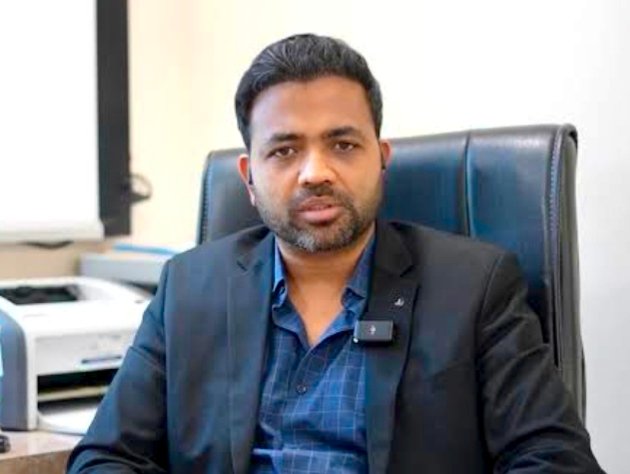
ಕುಟುಂಬದಿಂದಲೇ ಅಂಗಾಂಗ ದಾನದ ಚರ್ಚೆ ಆರಂಭವಾಗಲಿ
ಅಂಗಾಂಗ ದಾನವು ಕೇವಲ ವೈದ್ಯಕೀಯ ವಿಷಯವಲ್ಲ; ಅದು ಮಾನವೀಯತೆಯ ಮಹತ್ವದ ನಿರ್ಧಾರವಾಗಿದೆ. ಕುಟುಂಬದಲ್ಲಿ ಅಂಗಾಂಗ ದಾನದ ಕುರಿತು ಮುಕ್ತವಾಗಿ ಚರ್ಚೆ ನಡೆಸಬೇಕು. ಪ್ರತಿಯೊಬ್ಬರೂ ಅಂಗಾಂಗ ದಾನದ ಬಗ್ಗೆ ಸರಿಯಾದ ಮಾಹಿತಿ ಪಡೆದು ತಮ್ಮ ಕುಟುಂಬ ಸದಸ್ಯರಿಗೂ ತಿಳಿಸಬೇಕು ಎಂದು ಡಾ. ಪ್ರದೀಪ್ ಕೃಷ್ಣ ಕರೆ ನೀಡಿದರು.
ಅಂಗಾಂಗ ದಾನಕ್ಕೆ ಸಂಬಂಧಿಸಿದ ನಿರ್ಧಾರವು ಕುಟುಂಬದ ಒಪ್ಪಿಗೆ ಮತ್ತು ವೈದ್ಯಕೀಯ ಮಾರ್ಗಸೂಚಿಗಳೊಂದಿಗೆ ನಡೆಯುವುದರಿಂದ, ಈ ಕುರಿತು ಮುಂಚಿತವಾಗಿಯೇ ಜಾಗೃತಿ ಹೊಂದಿರುವುದು ಅತ್ಯಂತ ಅಗತ್ಯವಾಗಿದೆ. ಒಂದು ಅಂಗಾಂಗ ದಾನದ ನಿರ್ಧಾರವು ಒಂದಲ್ಲ, ಹಲವು ಜೀವಗಳಿಗೆ ಹೊಸ ಬದುಕಿನ ಅವಕಾಶ ನೀಡಬಲ್ಲದು ಎಂದು ಹೇಳಿದರು.
ಅಂಗಾಂಗ ದಾನದ ಕುರಿತು ಸಮಾಜದಲ್ಲಿ ವ್ಯಾಪಕ ಅರಿವು ಮೂಡಿಸುವ ಮೂಲಕ ಅಂಗಾಂಗಕ್ಕಾಗಿ ಕಾಯುತ್ತಿರುವ ಸಾವಿರಾರು ರೋಗಿಗಳಿಗೆ ಹೊಸ ಆಶಾಕಿರಣ ನೀಡಬಹುದು. ಸರಿಯಾದ ಮಾಹಿತಿ, ವೈಜ್ಞಾನಿಕ ಮನೋಭಾವ ಹಾಗೂ ಸಮಯೋಚಿತ ನಿರ್ಧಾರದಿಂದ ಅಂಗಾಂಗ ದಾನದ ಮೂಲಕ ಅನೇಕ ಅಮೂಲ್ಯ ಜೀವಗಳನ್ನು ಉಳಿಸಬಹುದು ಎಂದು ಅವರು ಅಭಿಪ್ರಾಯಪಟ್ಟರು.
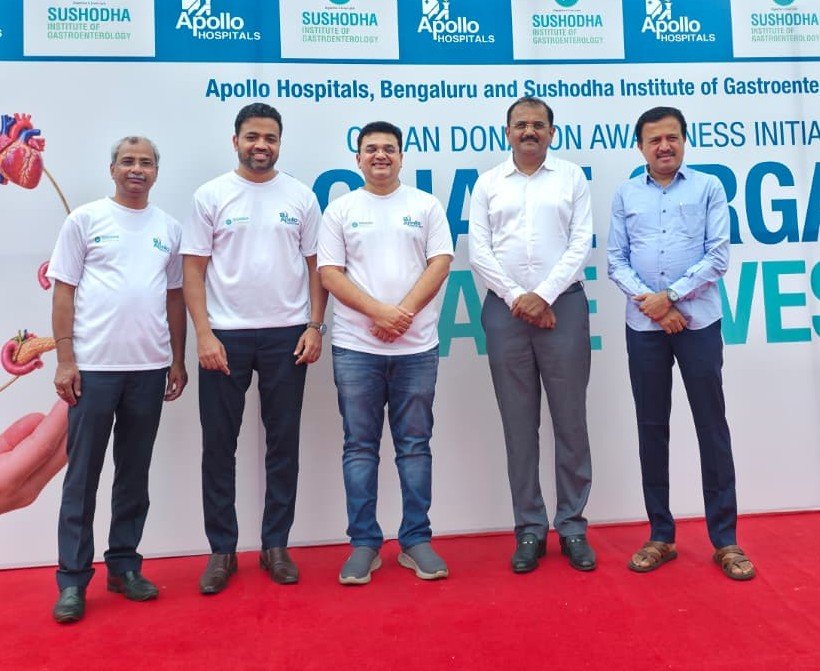
ಕಾರ್ಯಕ್ರಮದಲ್ಲಿ ವಿಧಾನ ಪರಿಷತ್ ಸದಸ್ಯರಾದ ಡಾ. ಧನಂಜಯ್ ಸರ್ಜಿ, ಅಪೋಲೋ ಆಸ್ಪತ್ರೆ, ಬೆಂಗಳೂರಿನ ವ್ಯವಸ್ಥಾಪಕರಾದ ಡಾ. ರಾಘವೇಂದ್ರ ಕುಲಕರ್ಣಿ, ಡಾ. ಪ್ರದೀಪ ಕೃಷ್ಣ ಆರ್.ವಿ., ಡಾ. ಪ್ರದೀಪ್ ಕುಮಾರ್ ಜೆ.ಕೆ. ಸೇರಿದಂತೆ ಪ್ರಮುಖರು ಉಪಸ್ಥಿತರಿದ್ದರು.
Organ Donation Awareness Campaign: Timely Donation Can Save Many Lives
Misconceptions about deceased and living organ donation must be removed; preventive care is essential for liver health: Dr. Pradeep Krishna, Apollo Hospitals, Bengaluru
Shivamogga, Aug. 23: The number of patients waiting for organ transplants in India is increasing day by day, while the availability of organs remains far below the actual requirement. Many patients suffering from serious organ-related conditions, including liver failure, are facing critical situations and losing their lives due to the non-availability of suitable organs at the right time. Therefore, every member of society must understand the importance of organ donation and join hands in creating greater awareness, said Dr. Pradeep Krishna of Apollo Hospitals, Bengaluru.
He was speaking at a press conference organised as part of the Organ Donation Awareness Campaign, jointly conducted by Apollo Hospitals, Bengaluru, and Sushodha Institute of Gastroenterology, Shivamogga.
There are still several fears, anxieties and misconceptions about organ donation in society. These need to be addressed, and scientific and accurate information must reach the public. The donation of organs by a single person can become a ray of hope for several patients. Therefore, awareness about organ donation should be created not only among hospitals, doctors and healthcare professionals, but also within families and local communities, he said.
Major Organs Can Be Donated After Brain Death Is Confirmed
Explaining the process of deceased organ donation, Dr. Pradeep Krishna said that for the donation of major organs, brain death, or the complete and irreversible cessation of brain function, must first be medically confirmed by specialists.
The complete cessation of brain function is confirmed through necessary medical examinations by neurosurgeons and other specialists. The family is then informed about the condition, and the further process is carried out after obtaining their consent for organ donation.
In a brain-dead patient, although the brain has completely stopped functioning, certain bodily functions, including the heartbeat, may continue with medical support. During this period, organs such as the heart, liver, lungs and kidneys can be retrieved, preserved and transported for transplantation, he explained.
Every Organ Has a Specific Time Limit
Time is extremely important in organ donation. Once an organ is retrieved from a donor, it should be transplanted into the recipient as quickly as possible. The shorter the time taken, the better the chances of achieving a successful transplant outcome, Dr. Pradeep Krishna said.
After retrieval, the heart generally needs to be transplanted within approximately six hours. The lungs have a preservation period of around eight to ten hours, while the liver is generally transplanted within eight to twelve hours.
Kidneys can be preserved for a relatively longer period and may be used for up to approximately 18 hours. However, rather than waiting until the maximum possible preservation period, it is always better to transplant the organ into the recipient as early as possible, he said.
The faster an organ reaches the appropriate recipient and is transplanted, the greater the possibility of good organ function and successful outcomes. Therefore, coordination among medical teams, transportation systems and proper time management are extremely important in organ donation and transplantation.
Some Tissues Can Be Donated Even After Death
Dr. Pradeep Krishna explained that certain tissues and body parts can be donated even after complete death. Eyes, particularly the cornea, skin and heart valves can be retrieved after death and used for patients in need.
However, major organs such as the heart, liver, lungs and kidneys are generally retrieved for transplantation when brain death has been confirmed. There is a need to create proper awareness among the public about this important distinction, he said.
Health Is More Important Than Age in Organ Donation
Age alone is not the deciding factor in organ donation. Particularly in the case of brain-dead donors, an organ is not rejected merely on the basis of the donor’s age. The health, function and quality of the donor’s organs are medically assessed before a final decision is made, Dr. Pradeep Krishna said.
In certain cases, the liver of an individual aged 80, 85 or even 90 years may be suitable for transplantation if it is healthy. On the other hand, the liver of a person aged 60 or 65 years may not be suitable if it has severe fatty changes, fibrosis or other medical problems.
Therefore, the actual health condition of an organ is more important than the donor’s age. Doctors may conduct various investigations, including a biopsy when necessary, to assess the quality, function and suitability of the liver for transplantation.
If organs have suffered serious injuries in an accident, they may not be suitable for transplantation. Similarly, a heart affected by a serious cardiac disease may not be usable for donation. Every organ is assessed separately on scientific and medical parameters and is used for transplantation only when found suitable.
Specific Criteria for Living Donors
The guidelines for brain-dead donors and living donors are different. In the case of living donors, age, overall health and other medical criteria are carefully evaluated, he said.
Individuals donating an organ while alive should generally be above 18 years of age. Their health condition, organ function and medical compatibility are assessed before they are approved for donation. Specific age-related and medical criteria are followed for living liver donation.
There is also a system under which a part of the liver can be donated by a close family member or relative. One of the special features of the liver is its ability to regenerate. In living donation procedures carried out under appropriate medical guidelines, the safety and well-being of the donor are given the highest priority, he said.
Preventive Care Is Essential for Liver Health
Along with transplantation, people should also focus on preventing liver diseases at an early stage, Dr. Pradeep Krishna advised.
Diseases such as liver cirrhosis, fatty liver disease and hepatitis should be addressed before they progress to serious stages. Seeking timely medical advice, adopting a healthy lifestyle, taking hepatitis vaccination when recommended and undergoing regular health check-ups can help protect liver health, he said.
By not ignoring liver-related problems and seeking medical attention at the early stages, many serious complications can be prevented or managed effectively.
No Need to Fear Liver Transplantation
There are many fears and misconceptions among the public about liver transplantation. However, modern medicine has made significant advances in liver transplant procedures, and patients can lead normal, healthy and long lives after a successful transplant, he said.
Referring to successful examples in the medical field, he said that there are instances of people who underwent liver transplantation during childhood and later grew up to lead healthy lives and even serve in the medical profession. Such developments reflect the effectiveness of liver transplantation and the progress made by modern medical science.
The Discussion on Organ Donation Should Begin Within Families
Organ donation is not merely a medical issue; it is an important humanitarian decision. Families should openly discuss organ donation, and every individual should obtain accurate information and share it with family members, Dr. Pradeep Krishna said.
Since decisions relating to organ donation involve family consent and established medical guidelines, it is important for people to have prior awareness and understanding of the subject. A single decision to donate organs can offer a new chance at life to not just one, but several people, he said.
By creating widespread awareness about organ donation, society can offer new hope to thousands of patients waiting for life-saving transplants. With accurate information, a scientific outlook and timely decisions, organ donation can help save many precious lives, he added.