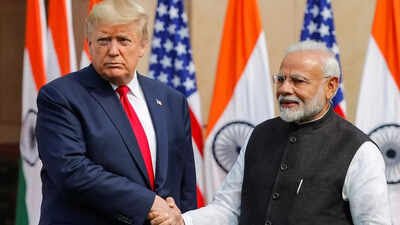
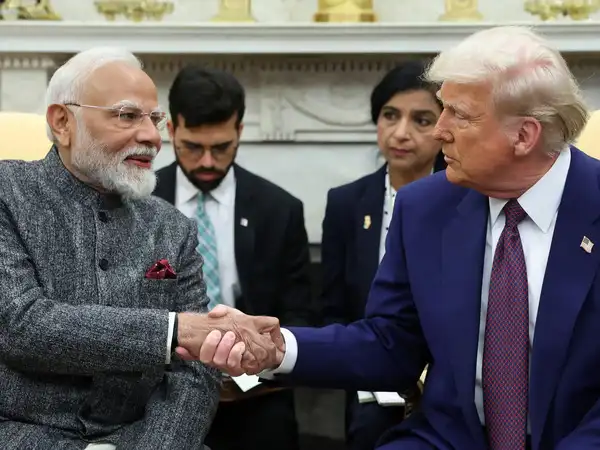
ಅಮೆರಿಕಾದ ಅಧ್ಯಕ್ಷ ಡೋನಾಲ್ಡ್ ಟ್ರಂಪ್ ಅವರು ನಿನ್ನೆ ಭಾರತದ ಪ್ರಧಾನಿ ನರೇಂದ್ರ ಮೋದಿ ಅವರೊಂದಿಗೆ ದೂರವಾಣಿ ಮೂಲಕ ಮಹತ್ವದ ಸಂಭಾಷಣೆ ನಡೆಸಿದ್ದು, ಅದರ ಪರಿಣಾಮವಾಗಿ ಭಾರತ–ಅಮೆರಿಕಾ ವ್ಯಾಪಾರ ಸಂಬಂಧಗಳಲ್ಲಿ ಹೊಸ ಚರ್ಚೆಗೆ ದಾರಿ ತೆರೆದಿದೆ. ಈ ಸಂಭಾಷಣೆಯ ಬಳಿಕ ಅಮೆರಿಕಾಕ್ಕೆ ರಫ್ತು ಮಾಡುವ ಭಾರತೀಯ ಉತ್ಪನ್ನಗಳ ಮೇಲೆ ವಿಧಿಸಲಾಗುತ್ತಿದ್ದ ಶೇ.50ರಷ್ಟಿದ್ದ ಸುಂಕವನ್ನು ಶೇ.18ಕ್ಕೆ ಇಳಿಸುವ ಪ್ರಸ್ತಾವನೆ ಹೊರಬಿದ್ದಿದೆ. ಈ ಸುಂಕ ಇಳಿಕೆ ಭಾರತೀಯ ರಫ್ತು ವಲಯಗಳಿಗೆ ಮಹತ್ವದ ಲಾಭವನ್ನು ತರುವ ಸಾಧ್ಯತೆ ಇದೆ ಎಂದು ಆರ್ಥಿಕ ತಜ್ಞರು ಅಭಿಪ್ರಾಯಪಟ್ಟಿದ್ದಾರೆ.
ಹೂಡಿಕೆ ಸಂಶೋಧನಾ ಸಂಸ್ಥೆ ಎಲಾರಾ (Elara) ವಿಶ್ಲೇಷಕರ ಪ್ರಕಾರ, ಯುನೈಟೆಡ್ ಸ್ಟೇಟ್ಸ್ನಲ್ಲಿ ಈಗಾಗಲೇ ಬಲವಾದ ಮಾರುಕಟ್ಟೆ ಮಾನ್ಯತೆ ಹೊಂದಿರುವ ವಲಯಗಳು ಈ ಬದಲಾವಣೆಯಿಂದ ಮೊದಲನೇ ಹಂತದಲ್ಲೇ ಲಾಭ ಪಡೆಯುವ ಸಾಧ್ಯತೆ ಹೆಚ್ಚಾಗಿದೆ. ರಫ್ತು ಆದೇಶಗಳ ಗೋಚರತೆ (order visibility) ಸುಧಾರಿಸುವ ನಿರೀಕ್ಷೆಯಿದ್ದು, ಈ ವಲಯಗಳಿಗೆ ಹೆಚ್ಚಿನ ಸಾಲ ನೀಡಿರುವ ಬ್ಯಾಂಕುಗಳು ಉತ್ತಮ ಸಾಲ ವಾತಾವರಣವನ್ನು ಕಾಣಬಹುದು. ಇದರಿಂದ ಬ್ಯಾಂಕಿಂಗ್ ಮತ್ತು ಹಣಕಾಸು ಕ್ಷೇತ್ರಕ್ಕೂ ಸಹ ಪಾಸಿಟಿವ್ ಪರಿಣಾಮ ಬೀರುವ ಸಾಧ್ಯತೆ ಇದೆ.
ಆದರೆ ಎಲ್ಲಾ ವಲಯಗಳಿಗೂ ತಕ್ಷಣದ ಲಾಭ ಸಿಗುತ್ತದೆ ಎಂಬುದಿಲ್ಲ. ಸೆಕ್ಷನ್ 232 ಅಡಿಯಲ್ಲಿ ಈಗಾಗಲೇ ಜಾರಿಯಲ್ಲಿರುವ ವಿಶೇಷ ಸುಂಕಗಳ ಕಾರಣದಿಂದ ಆಟೋಮೊಬೈಲ್ ಮತ್ತು ಅದರ ಅಂಗ ವಲಯಗಳು ತಕ್ಷಣದ ಪ್ರಯೋಜನಗಳನ್ನು ಕಾಣದಿರಬಹುದು ಎಂದು ಎಲಾರಾ ಎಚ್ಚರಿಸಿದೆ. ಅಂದರೆ, ಸುಂಕ ಇಳಿಕೆ ಒಟ್ಟಾರೆ ಒಳ್ಳೆಯ ಸುದ್ದಿಯಾದರೂ, ಅದರ ಪರಿಣಾಮ ವಲಯಾವಲಂಬಿತವಾಗಿರಲಿದೆ.
ಈ ವ್ಯಾಪಾರ ಸಂವಾದದ ಇನ್ನೊಂದು ಪ್ರಮುಖ ಅಂಶವೆಂದರೆ, ಒಪ್ಪಂದದ ಭಾಗವಾಗಿ ಭಾರತವು ಸುಮಾರು 500 ಶತಕೋಟಿ ಅಮೆರಿಕನ್ ಡಾಲರ್ ಮೌಲ್ಯದ ಅಮೆರಿಕದ ಕೃಷಿ ಉತ್ಪನ್ನಗಳು, ಇಂಧನ, ತಂತ್ರಜ್ಞಾನ ಮತ್ತು ಇತರ ಸರಕುಗಳನ್ನು ಖರೀದಿಸುವ ಸಾಧ್ಯತೆ ಇದೆ ಎಂಬ ಅಂದಾಜು. ಇದರಿಂದಾಗಿ ಭಾರತದ ಆಮದು ನೀತಿಗಳ ಮೇಲೆ ದೀರ್ಘಾವಧಿಯ ಪರಿಣಾಮಗಳು ಉಂಟಾಗಬಹುದು. ವಿಶೇಷವಾಗಿ ಅಮೆರಿಕನ್ ಹಾಗೂ ವೆನೆಜುವೆಲಾದ ಕಚ್ಚಾ ವಸ್ತುಗಳ ಕಡೆಗೆ ಭಾರತ ಹೆಚ್ಚಿನ ಅವಲಂಬನೆ ಹೊಂದಿದರೆ, ದೇಶದ ಸಂಸ್ಕರಣಾ ಆರ್ಥಿಕತೆ ಮತ್ತಷ್ಟು ಸಂಕೀರ್ಣವಾಗುವ ಸಾಧ್ಯತೆ ಇದೆ. ಇದುವರೆಗೆ ರಷ್ಯಾದ ತೈಲ ಆಮದುಗಳಿಂದ ಲಭಿಸುತ್ತಿದ್ದ ಕೆಲವು ಉಳಿತಾಯಗಳು ಕುಂಠಿತವಾಗುವ ಭೀತಿಯೂ ಇದೆ. ಆದರೆ ಪೂರ್ಣ ಒಪ್ಪಂದದ ವಿವರಗಳು ಪ್ರಕಟವಾಗುವವರೆಗೆ ಈ ಬಾಧ್ಯತೆಗಳ ಸ್ವರೂಪ ಮತ್ತು ಪ್ರಮಾಣ ಸ್ಪಷ್ಟವಾಗಿಲ್ಲ.
ಇದೇ ವಿಷಯದ ಕುರಿತು ಮತ್ತೊಂದು ದೃಷ್ಟಿಕೋನವನ್ನು ಚಾಯ್ಸ್ ವೆಲ್ತ್ ಸಂಸ್ಥೆಯ ಸಂಶೋಧನೆ ಮತ್ತು ಉತ್ಪನ್ನ ವಿಭಾಗದ ಮುಖ್ಯಸ್ಥ ಅಕ್ಷತ್ ಗರ್ಗ್ ಮಂಡಿಸಿದ್ದಾರೆ. ಅವರ ಪ್ರಕಾರ, ಈ ಬೆಳವಣಿಗೆಯನ್ನು “ಎಲ್ಲರಿಗೂ ಪರಿಹಾರ ನೀಡುವ ಮಹಾ ಒಪ್ಪಂದ” ಎಂದು ನೋಡುವುದಕ್ಕಿಂತ, ಒಂದು ಪ್ರಾಯೋಗಿಕ ಮತ್ತು ಪರಸ್ಪರ ಲಾಭದ ವಿನಿಮಯವಾಗಿ ಪರಿಗಣಿಸುವುದು ಸೂಕ್ತ. ಆಯ್ದ ವ್ಯಾಪಾರ ಅಡೆತಡೆಗಳನ್ನು ಕಡಿಮೆ ಮಾಡುವುದು ಮತ್ತು ಅಮೆರಿಕನ್ ಕಚ್ಚಾ ತೈಲದ ಖರೀದಿಯನ್ನು ಹೆಚ್ಚಿಸುವ ಮೂಲಕ ಭಾರತ ಇಂಧನ ಸ್ಥಿರತೆಯನ್ನು ಭದ್ರಪಡಿಸಲು, ಹಣದುಬ್ಬರವನ್ನು ನಿಯಂತ್ರಣದಲ್ಲಿ ಇಡಲು ಮತ್ತು ದೇಶೀಯ ಉತ್ಪಾದನೆಯನ್ನು ಬೆಂಬಲಿಸಲು ಪ್ರಯತ್ನಿಸುತ್ತಿದೆ ಎಂದು ಅವರು ವಿವರಿಸಿದ್ದಾರೆ.
ಇದರ ಪ್ರತಿಯಾಗಿ, ಯುನೈಟೆಡ್ ಸ್ಟೇಟ್ಸ್ ಪರಸ್ಪರ ಸುಂಕಗಳನ್ನು ಶೇ.18ರ ಮಟ್ಟಿಗೆ ಇಳಿಸುವುದರಿಂದ ಭಾರತೀಯ ಕಂಪನಿಗಳ ರಫ್ತು ವೆಚ್ಚ ಕಡಿಮೆಯಾಗಲಿದೆ. ಇದು ವಿಶೇಷವಾಗಿ ಮಧ್ಯಮ ಮತ್ತು ದೊಡ್ಡ ರಫ್ತು ಸಂಸ್ಥೆಗಳಿಗೆ ಸ್ಪರ್ಧಾತ್ಮಕತೆಯನ್ನು ಹೆಚ್ಚಿಸಲಿದೆ. ಈ ಒಪ್ಪಂದದ ಬಲ ಅದರ ಪರಸ್ಪರತೆಯಲ್ಲಿದೆ ಎಂದು ಗರ್ಗ್ ಅಭಿಪ್ರಾಯಪಟ್ಟಿದ್ದಾರೆ. ಭಾರತವು ಉದ್ದೇಶಿತ ರಿಯಾಯಿತಿಗಳ ಮೂಲಕ ತನ್ನ ಪ್ರಮುಖ ದೇಶೀಯ ಆದ್ಯತೆಗಳನ್ನು ರಕ್ಷಿಸಿಕೊಳ್ಳುವಲ್ಲಿ ಯಶಸ್ವಿಯಾಗಬಹುದು, ಅದೇ ಸಮಯದಲ್ಲಿ ಅಮೆರಿಕಕ್ಕೆ ಇಂಧನ ಬೆಳವಣಿಗೆ ಮತ್ತು ಉದ್ಯೋಗ ಸೃಷ್ಟಿಗೆ ಸಹಕಾರಿಯಾಗುವ ಮಾರುಕಟ್ಟೆ ಪ್ರವೇಶವನ್ನು ಒದಗಿಸಬಹುದು.
ಆದಾಗ್ಯೂ, ಈ ಸುಂಕ ಬದಲಾವಣೆಗಳಿಂದ ನಿಜವಾದ ಲಾಭಗಳು ದೊರೆಯಬೇಕಾದರೆ ನೀತಿ ನಿರೂಪಕರು ಸ್ಪಷ್ಟ ನಿಯಮಗಳು, ಸುಧಾರಿತ ಲಾಜಿಸ್ಟಿಕ್ಸ್ ವ್ಯವಸ್ಥೆ ಮತ್ತು ಹಂತ ಹಂತದ ಅನುಷ್ಠಾನವನ್ನು ಖಚಿತಪಡಿಸಬೇಕಿದೆ ಎಂದು ತಜ್ಞರು ಒತ್ತಿಹೇಳುತ್ತಾರೆ. ಇದರಿಂದ ಎರಡೂ ದೇಶಗಳ ವ್ಯವಹಾರಗಳು ಯಾವುದೇ ಅಡೆತಡೆಗಳಿಲ್ಲದೆ ಹೊಸ ವ್ಯವಸ್ಥೆಗೆ ಹೊಂದಿಕೊಳ್ಳಲು ಸಾಧ್ಯವಾಗುತ್ತದೆ. ಒಟ್ಟಾರೆ, ಭಾರತ–ಅಮೆರಿಕಾ ವ್ಯಾಪಾರ ಸಂಬಂಧಗಳಲ್ಲಿ ಇದು ಒಂದು ಮಹತ್ವದ ಹೆಜ್ಜೆಯಾದರೂ, ಅದರ ಪರಿಣಾಮಕಾರಿತ್ವ ಮುಂದಿನ ನೀತಿ ಕ್ರಮಗಳು ಮತ್ತು ಒಪ್ಪಂದದ ಅಂತಿಮ ರೂಪರೇಖೆಯ ಮೇಲೆ ಅವಲಂಬಿತವಾಗಿರಲಿದೆ.
U.S. President Donald Trump held a significant phone conversation with Indian Prime Minister Narendra Modi yesterday, leading to new discussions regarding India-U.S. trade relations. Following this dialogue, a proposal emerged to reduce the 50% tariff on Indian products exported to the U.S. to 18%. Economists believe that this tariff cut could greatly benefit India’s export sector. According to analysts at Elara, sectors that already have strong market recognition in the United States are likely to benefit first from this change. There is an expectation of improved order visibility in exports, which could lead banks that provide loans to these sectors to experience a more favorable lending environment. This could also positively impact the banking and finance sectors. However, not all sectors will see immediate gains. Elara cautions that automotive and related industries may not experience instant benefits due to existing special tariffs under Section 232. While the tariff reduction is generally good news, its effects will vary by sector. Another key aspect of this trade dialogue is that India is projected to purchase approximately $50 billion worth of U.S. agricultural products, energy, technology, and other goods as part of the agreement. This could have long-term implications for India’s import policies. If India becomes more reliant on U.S. and Venezuelan raw materials, the country’s processing economy could become more complicated. There are also concerns that savings from previous oil imports from Russia may diminish. However, the specifics of these obligations will not be clear until full agreement details are released. Akshat Garg, head of research and product division at Choice Wealth, offers a different perspective on this matter. He suggests viewing this development not merely as a grand deal providing solutions for everyone, but as a practical exchange of mutual benefits. By reducing selected trade barriers and increasing purchases of U.S. crude oil, India aims to ensure energy stability, control inflation, and support domestic production. In return, the U.S. reducing reciprocal tariffs to 18% will lower export costs for Indian companies, enhancing competitiveness, especially for medium and large exporters. Garg asserts that the strength of this agreement lies in its reciprocity. India may successfully safeguard its key domestic priorities through targeted concessions while simultaneously providing market access that aids U.S. energy development and job creation. Experts emphasize that for these tariff changes to yield real benefits, policymakers must establish clear regulations, improve logistics systems, and ensure a phased implementation. This would allow businesses in both countries to adapt to the new framework without obstacles. Overall, while this marks a significant step in India-U.S. trade relations, its effectiveness will depend on subsequent policy actions and the final structure of the agreement.